

Support for Alzheimer’s & Dementia
Resources, guidance, and compassionate support for people living with dementia and the loved ones who walk alongside them
At Center for the Heart, we know that Alzheimer’s and dementia change not only memory but the emotional and relational experience of life, end-of-life and loss. This page brings together helpful information, supportive resources, and pathways to connection for people with an Alzheimer's or related dementia diagnosis and the informal caregivers and loved ones who support them.
Here you will find:
Non-clinical end-of-life support and education
Tools to help build connection, meaning, and emotional readiness
Resources for caregivers, families, and communities
Clear explanations of how grief works before and after loss
Understanding the Experience of Alzheimer's Disease and Related Dementias (ADRD) for Those Diagnosed, Their Family and Caregivers
-
What Are Alzheimer's & Dementia
Alzheimer’s disease is a progressive brain condition and the most common cause of dementia. While dementia is not a single disease, it describes changes in memory, thinking, communication and daily functioning that are not part of normal aging. These changes emerge slowly and can span years, affecting not only the person diagnosed but their families, caregivers, and communities. Understanding, preparation and connection can help these individuals, their families and caregivers find connection and supportive tools tailored to their experience.
-
Anticipatory Grief and Grief after Loss from Alzheimer’s & Dementia
For those facing Alzheimer's and related dementias, grief often begins long before the person dies. Anticipatory grief includes the emotional responses that arise as memory, abilities, and roles shift over time, and it can feel isolating, confusing, or overwhelming. After death, that grief often continues — sometimes with unexpected intensity, relief mixed with sadness, or new questions about identity. Learning about anticipatory and post-loss grief helps make space for compassion and resilience throughout the journey.
-
Family & Relationship Transitions
Alzheimer’s and related dementias shift not just memory but how roles are lived and shared across families and loved ones. Partners, children, siblings, and friends may find themselves caregiving, decision-making, or redefining their relationships with the one afflicted with this disease. These transitions can stir love, frustration, sorrow, guilt, exhaustion, grief and meaning all at once. End-of-life and grief support that honors your unique relationships and makes space for the humanity of your emotional experience can make navigating these changes feel less isolating.
-
How Is End-of-Life Support Different for Those with ADRD?
Meaningful end-of-life support for those facing ADRD emphasizes quality of life, presence, and relational continuity as cognitive changes unfold. It includes beginning conversations about future care, comfort, and preferences while the person can still express their voice, creating advance care plans and directives that honor those wishes, and helping families navigate legal and emotional decisions as dementia progresses. An end-of-life doula offers sustained companionship, facilitating conversations and safety measures, organization of home environments for comfort, and legacy work.
Alzheimer's & Related Dementia
Support Pathways
Our programs are designed to help you navigate both the emotional experience of dementia and the transition that follows. Our end-of-life doulas and grief specialists have additional training and experience in supporting individuals and families facing Alzheimer's and related dementias.
Non-clinical End-of-Life Support
Our trained end-of-life doulas offer specialized assistance in advanced planning, navigating care and end-of-life for those with ADRD and their support network.
ADRD Caregiver Support
A peer-led, bi-weekly caregiver support circle that provides community for those caring for someone with ADRD. Share experiences, and find connection.
Grief Support & Education
Individual and small-group grief support that helps people understand and cope before, during and after an ADRD-related loss.
Supporting Children through Loss
Get resources and specialized support for helping children through anticipatory grief and loss related to an Alzheimer's or dementia diagnosis.

Learn More — Get Insight
Below are blog articles and resources for Alzheimer’s, dementia, caring and grieving.
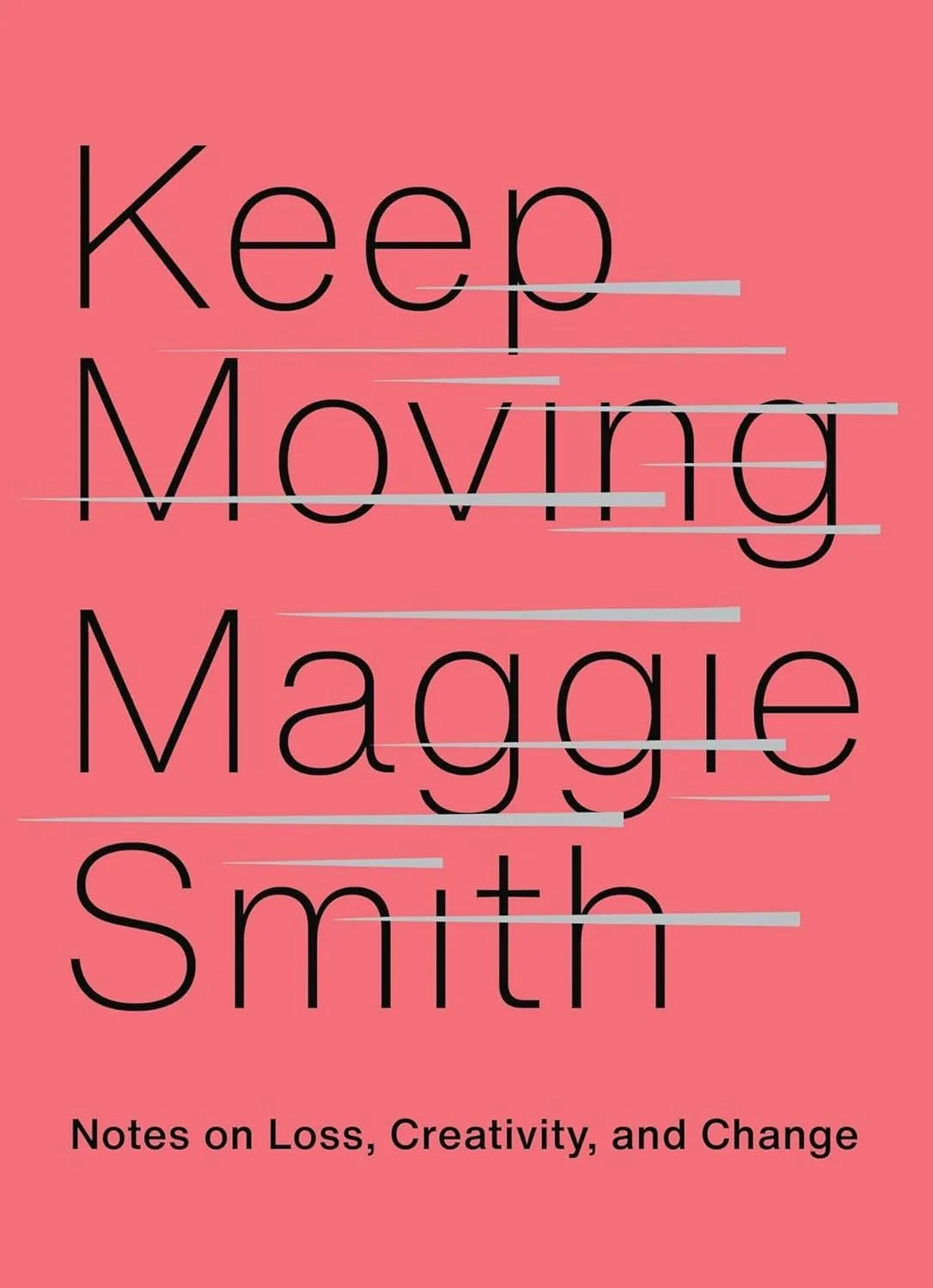
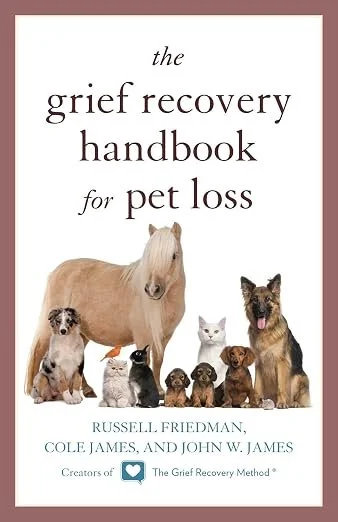
Reading Room for Alzheimer's & Dementia
A curated collection of books and other media offering insight, understanding, and comfort for people living with ADRD and those supporting them

Blogs for Alzheimer's & Dementia
Our blogs touching upon topics related to end-of-life, grief and caregiving topics relevant to Alzheimer's and related dementias.



Frequently Asked Questions
-
Anticipatory grief often shows up long before a loss, especially when someone’s health or abilities are changing over time, and you may notice feelings of sadness, worry, or loss about what is present now and what may come in the future; you might also feel tension between wanting to be strong for your loved one and experiencing your own emotional pain, or find that daily routines include both care tasks and moments where you grieve what is changing.
-
Talking about dementia progression with family often helps when you start from shared values and gentle curiosity. Acknowledge that this is a sensitive topic. Invite everyone to speak about what they’re noticing or fearing without judgment. Focus on mutual support rather than trying to “fix” anything. Inviting someone experienced in family facilitation or a support partner, like an end-of-life doula, can also create space where people feel heard and less alone.
-
Non-clinical end-of-life support, such as that offered by a trained end-of-life doula, is a compassionate presence that helps people and families navigate the emotional, relational, and practical aspects of the time before death, offering grounding, listening, meaning-making, and support for creating comfort plans or legacy work, without providing medical care or clinical services. For those facing ADRD, this support can begin long before death, notably with planning, logistics, sharing resources for preparation and anticipatory grief resources.
-
Grief support can take many forms beyond traditional therapy, including peer support groups, guided grief recovery programs, community circles (like our Caregiver Support Circle), supportive conversations with trained listeners, educational workshops, and resource collections that give language and structure to your experience. Many people also find strength and comfort in structured models of grief, like the Grief Recovery Method, that help them understand both the emotional experience and ways of processing loss over time.
At Center for the Heart, we specialize in this area because:
The emotional and anticipatory grief around dementia can be prolonged and isolating
Caregivers often feel unseen, overwhelmed, or unequipped
People living with dementia and their families deserve comprehensive support in addition to clinical solutions
There are distinct forms of grief and transitional loss unique to Alzheimer's and dementia’s progression
Why Alzheimer’s & Dementia Support Matters to Us
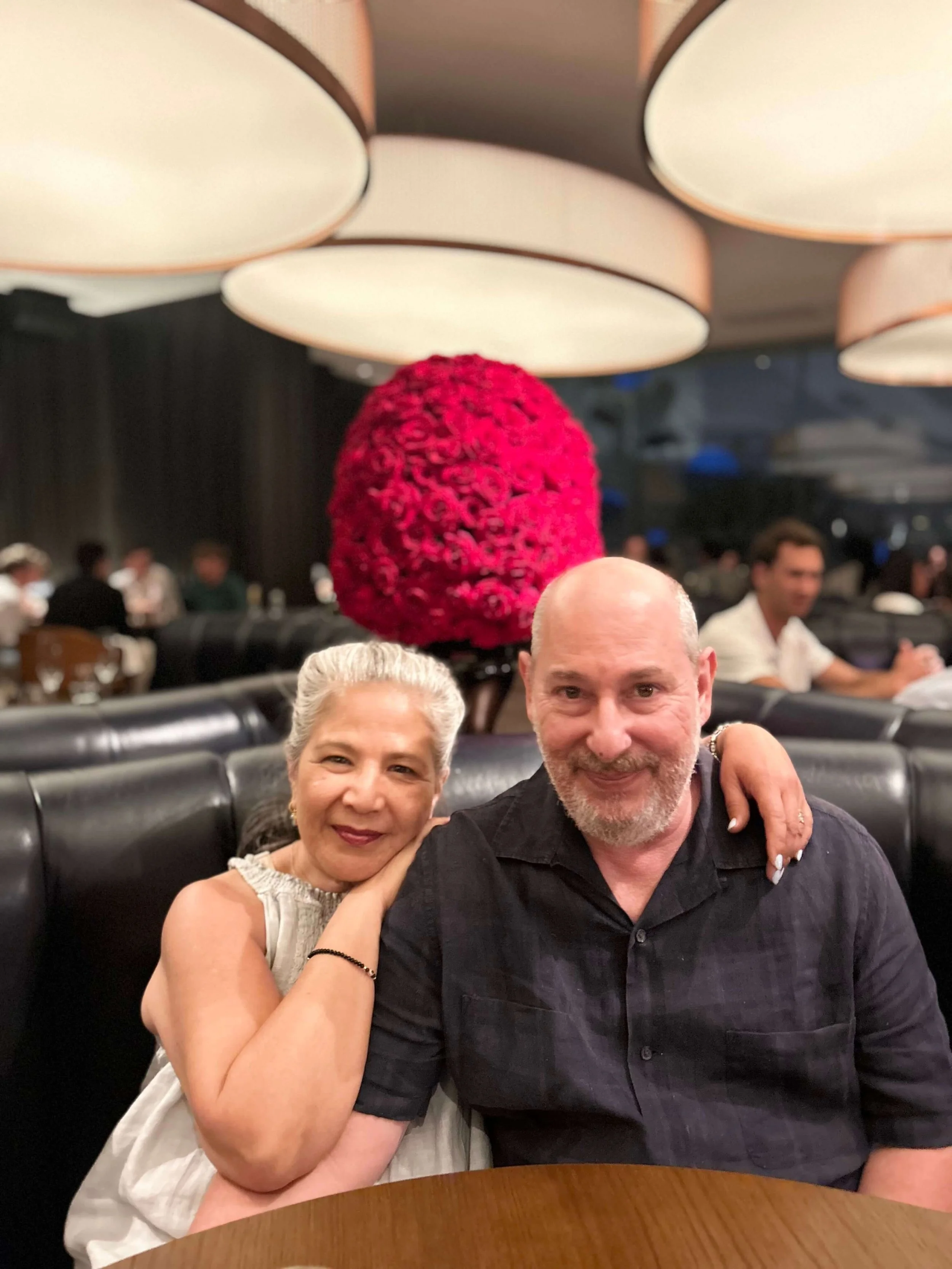
Many of us arrive at Alzheimer’s and dementia support through personal experience. For our founder, the journey began after her husband's diagnosis with Alzheimer's.
In navigating the early stages of his care, Holly realized that the needs of families and caregivers weren't fully supported by current mainstream systems — especially around emotional preparation, end-of-life planning, grief, and (self-)compassionate presence.
Connect to Get Personalized Suggestions for Support
We’re here to walk with you. Reach out today to explore which supports might be most helpful for your situation.
Because of our inherent susceptibility due to the nature of our work, it's really important for end-of-life doulas and grief specialists to be able to recognize the signs of compassion fatigue and have some resourcing in place for how to recharge and process. It's also key that we have measures in place for when we may need to take extended periods off. Compassion fatigue is real. It's happened to me, caring for my husband Jonathan with Alzheimer's. It happens to people that I know who are working in the field. So what do we do about that?