

Helping Children with Loss: Support for Adults Who Care
When children experience loss — whether through death, divorce, moving, illness, or other life changes — their grief can be deep, confusing, and expressed in ways adults may not recognize.
This four-session program teaches adults how to support children in processing grief healthfully and develop tools that help young hearts heal, grow, and communicate in emotionally resilient ways.
Why Children Need Support through Loss
Grief is a natural emotional response to when something meaningful is lost or altered. Children may show grief through play, behavior shifts, questions that don’t seem to make sense, confusion about permanence, or temporary regression. Their grief is emotional, not logical, and asking them to suppress feelings or “stay strong” can unintentionally complicate their coping process.
Adults often want to protect children from pain, yet without intentional guidance children may internalize grief or develop unprocessed emotional responses that last into adulthood. Research underscores that open, age-appropriate conversation about loss helps children understand grief, feel safe expressing their emotions, and build emotional strength over time.
Program Philosophy: Compassion Meets Evidence
The Helping Children With Loss program is grounded in the belief that grief is a human experience that should be welcomed, explored, and expressed rather than minimized or feared. Drawn from the principles of the Grief Recovery Method, it teaches that grief is about feeling and processing emotions effectively, not ignoring or suppressing them. Participants learn tools to help children articulate feelings and complete their grief and the develop of resilience in ways that support long-term wellbeing.


The Grief Recovery Method is recognized as an evidence-based approach for helping people of all ages work through emotional loss, with research supporting the effectiveness of structured psychosocial interventions in reducing grief symptoms and related distress among children and adolescents (Hanauer, Telaar, Rosner & Doering, 2024).
About Helping Children with Loss
Helping Children with Loss is a four-session educational and experiential program designed for adults — parents, caregivers, teachers, counselors, and others who regularly support children. It uses tools adapted from the book When Children Grieve and the Grief Recovery Method.
Each session is roughly 2.5 hours long and builds practical skills through discussion, guided activities, and reflections that help adults understand how to:
Recognize typical emotional responses to loss at different developmental stages
Communicate openly and honestly about change and grief
Support children as they articulate feelings without judgment
Apply tools with confidentiality, trust, and emotional awareness
Participants practice with sample situations, learn to identify and work through communications children may need to make, and gain confidence in offering individualized support that meets each child where they are.
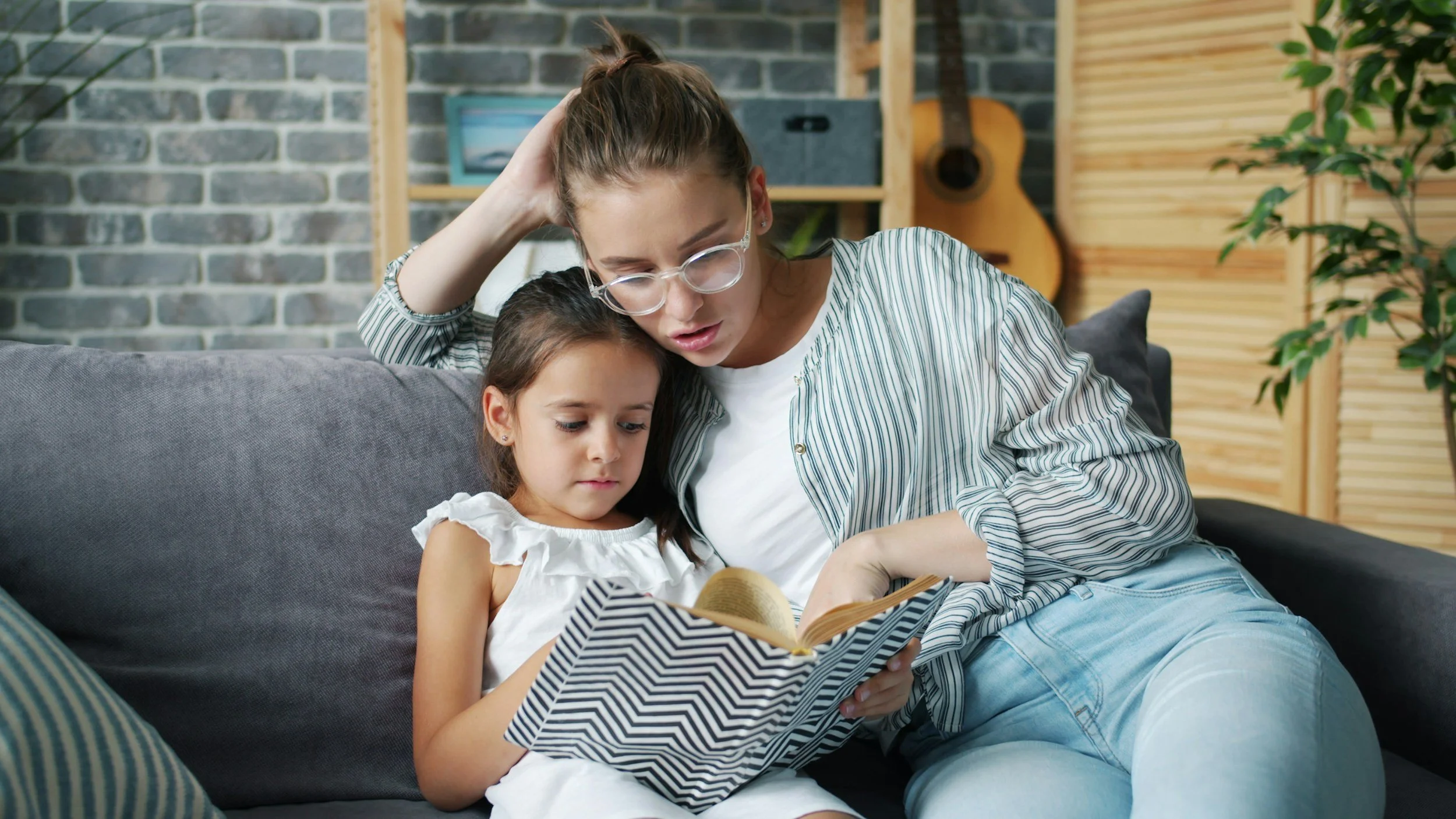
What Adults Gain from Helping Children with Loss
This program equips adults with:
A deeper understanding of how children internally experience grief across age groups
Strategies to engage children in healthy emotional expression
Tools to help children complete the emotional process of grief rather than merely suppress or avoid feelings
Confidence to express loss in developmentally appropriate ways, whether the loss is due to death, divorce, relocation, health changes, or other significant transitions
Because grief can arise from many circumstances — not just death — this program addresses the universal nature of loss and its impact on emotional development and wellbeing.
Foundational Text: When Children Grieve
When Children Grieve, the foundational text for this program, reframes how adults think about supporting children after loss. Its authors show how unhelpful messages like “don’t feel bad” can silence natural emotional responses, and instead point to methods that foster emotional honesty, safety, and long-term resilience.
The book is widely regarded in parenting and grief support communities as an essential guide that helps adults acknowledge and validate children’s grief in ways that promote healthy emotional processing and connection.
Evidence & Context: Why Loss Support for Children Matters
While formal research on specific branded programs for bereaved children is still emerging, a large body of evidence supports psychosocial interventions that help grieving children and adolescents reduce symptoms of grief, behavioral problems, and emotional distress. Studies show that structured support that engages both children and their caregivers can improve emotional functioning and help children adjust after loss (Hanauer, Telaar, Rosner, & Doering, 2024).
Other research highlights that open communication, emotional presence, and age-appropriate honesty are key factors that help children develop emotional resilience and avoid long-term mental health complications associated with unresolved grief (Harrop et al., 2022; Worden & Silverman, 1992).

Who Helping Children with Loss Is for
The Helping Children with Loss program is recommended for:
Parents and guardians supporting their child through loss
Caregivers and extended family members
Educators, school counselors, and childcare professionals
Anyone who regularly interacts with children and wants to strengthen their ability to support them through loss and transitions
Program Details
Format: Group educational sessions with a trained Specialist
Duration: Four sessions (approx. 2.5 hours each)
Focus: Practical tools and skills for supporting children’s grief
Approach: Structured, action-oriented, and compassionate
Learn specific tools that help children express their emotions, build emotional vocabulary, and navigate both acute and long-term responses to loss.

What Participants Are Saying
Participants commonly share that the program helped them understand grief in a new way, feel more confident in supporting children, and apply tools that strengthened their connection with the children in their care. Many note that even their own emotional insight deepened, creating a ripple effect of healing within families.
Have a Positive Impact in Children's Lives &
Find Support
Children do not have to navigate loss alone — and adults don’t have to guess how to help them. If you’re ready to learn tools that encourage honest emotional expression, healing, and set up children for life-long loss resiliency, this program can support you in making that difference.
Additional Resources on Children & Loss
For more support, explore recommended books and blogs on understanding children’s grief.
Library Resources for Children & Loss
A curated collection of books and other media offering insight, understanding, and comfort for adults helping children be with and move through grief.
Blogs about Children & Loss
Our blogs touching upon topics related to children and grief.

