

Grief Support
Nobody really teaches us how grief actually works
Grief is something almost everyone experiences.
But most people are never taught how to understand it — or what actually helps.
Instead, you hear:
“Give it time”
“Stay strong”
“You should be over it by now”
And when that doesn’t work…
you’re left feeling stuck, confused, or alone.
What Grief Actually Is
Grief is not a disorder.
There's not something “wrong” with you for grieving.
Grief is the normal and natural emotional reaction to loss or change of any kind.
It can come from:
death of a loved one
illness or cognitive decline
relationship changes
loss of identity, roles, or future expectations
There are actually over 40 types of loss that can create grief — many of them invisible.

Why Grief Feels So Confusing
Grief isn’t just sadness.
It’s often:
conflicting emotions (love + anger, relief + guilt)
physical and cognitive changes (sleep, focus, appetite)
emotional waves that don’t follow a pattern
unexpected triggers that bring the grief back suddenly
Research confirms:
grief responses vary widely and don’t follow a fixed path (NIH, 1990)
the “stages of grief” model is often misunderstood and can be harmful when treated as a rule (Stroebe, Schut, & Boerner, 2017)
In other words: there is no “right way” to grieve.

Common Myths That Make Grief Harder
Many people aren’t struggling because of grief itself.
They’re struggling because of what they’ve been taught about grief.
The Most Common Grief Myths:
Time heals all wounds
Stay strong for others
Keep busy and move on
Replace what you lost
Grieve alone
These messages can:
delay healing
increase isolation
make people feel like they’re grieving “wrong”
Center for the Heart's Grief Support helps people unlearn these patterns.
Types of Grief You May Be Experiencing
Grief doesn’t look the same for everyone.
Some common forms include:
Anticipatory grief (before a loss occurs)
Cumulative grief (multiple losses over time)
Delayed grief (surfacing later)
Disenfranchised grief (not acknowledged by others)
You may see yourself in more than one of these — and that’s completely normal.
In some cases, grief can become more intense and persistent over time.
This can lead to complicate grief or prolonged grief disorder — where the pain of the loss doesn’t ease and begins to heavily interfere with daily life, relationships, or your ability to re-engage with the world.
If you feel like complicated or prolonged grief captures your current experience with grief, you may need additional support from a mental health professional.

Signs You May be Grieving
You don’t have to “feel sad” to be grieving.
Common signs include:
trouble concentrating
numbness or emotional swings
sleep or appetite changes
irritability or withdrawal
avoiding certain memories or conversations
The Impact of Grief
Grief is not small — even when it’s invisible.
In the U.S., over 3 million deaths occur each year, meaning millions of individuals and families are impacted by grief annually (CDC, 2024).
About 1 in 10 adults experience prolonged or complicated grief symptoms (Eisma et al., 2025).
In some groups, nearly half experience persistent grief symptoms (Nafarieh et al., 2025).


Why Grief Support Matters
Unresolved grief can affect:
Relationships
Grief can create emotional distance, conflict, and difficulty connecting with others, especially when it remains unprocessed or unspoken (Park & Han, 2025)Mental health
Individuals with unresolved grief are significantly more likely to experience anxiety, depression, and reduced quality of life over time (Kreicbergs et al., 2004)Physical health
Grief that remains unresolved has been linked to worsening physical health, increased illness, and higher use of healthcare services (Kreicbergs et al., 2004)Sleep and daily functioning
People experiencing prolonged or unresolved grief report higher rates of insomnia, fatigue, and difficulty maintaining daily routines (Bylund-Grenklo et al., 2016)Decision-making and focus
Unresolved grief can impair concentration, reduce clarity, and make it harder to make decisions or take action in important areas of life (McKinsey & Company, 2020)Ability to engage with life
When grief remains unprocessed, people often withdraw, lose motivation, and feel disconnected from purpose, relationships, and future possibilities (McKinsey & Company, 2020)

What Makes Our Approach to Grief Different
We support grief across the full spectrum of life experiences — including divorce, caregiving, health changes, and transitions, not just end-of-life.
We understand that grief is the normal and natural emotional reaction to any significant loss or change — not something to “fix” or rush through.
We view grief support as essential to healthy functioning — not something reserved for crisis or after major loss>
We integrate grief-informed care into end-of-life support, where grief often begins before loss and shapes how individuals and families experience care, decision-making, and connection.
We support both the individual and the wider family system, including caregivers and loved ones, as well as teachers, foster parents and others who may interact with children experiencing loss.
We use the Grief Recovery Method® (GRM) as a structured, action-based process without minimizing your losses.
We focus not only on resolving a specific loss, but on building your overall relationship with grief — how you process change, disappointment, and emotional pain across your life.
We incorporate the concept of grief resilience — the ability to adapt, function, and stay connected to life while still carrying loss, rather than avoiding or suppressing it.
Types of Grief Support We Offer
If you, your family, a loved one or someone you care for is experiencing grief, we're here to support you! Our support pathways offer tools, understanding, and compassionate guidance rooted in evidence-based approaches.
1:1 Support
Private, guided support for individuals navigating grief and their relationship with loss, using the Grief Recovery Method.
Adults Supporting Children
A group workshop that applies insights from the Grief Recovery Method to equip adults to support children in loss.

Group Support
Small-group multi-session workshops offer grief support by guiding individuals through the Grief Recovery Method.
ADRD-Focused Support
Grief support on its own or woven into end-of-life doula support for individuals and families facing Alzheimer's and related dementias.
Learn More — Get Insight
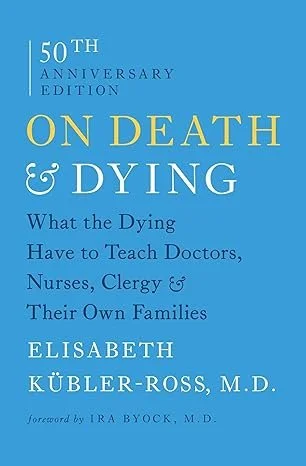
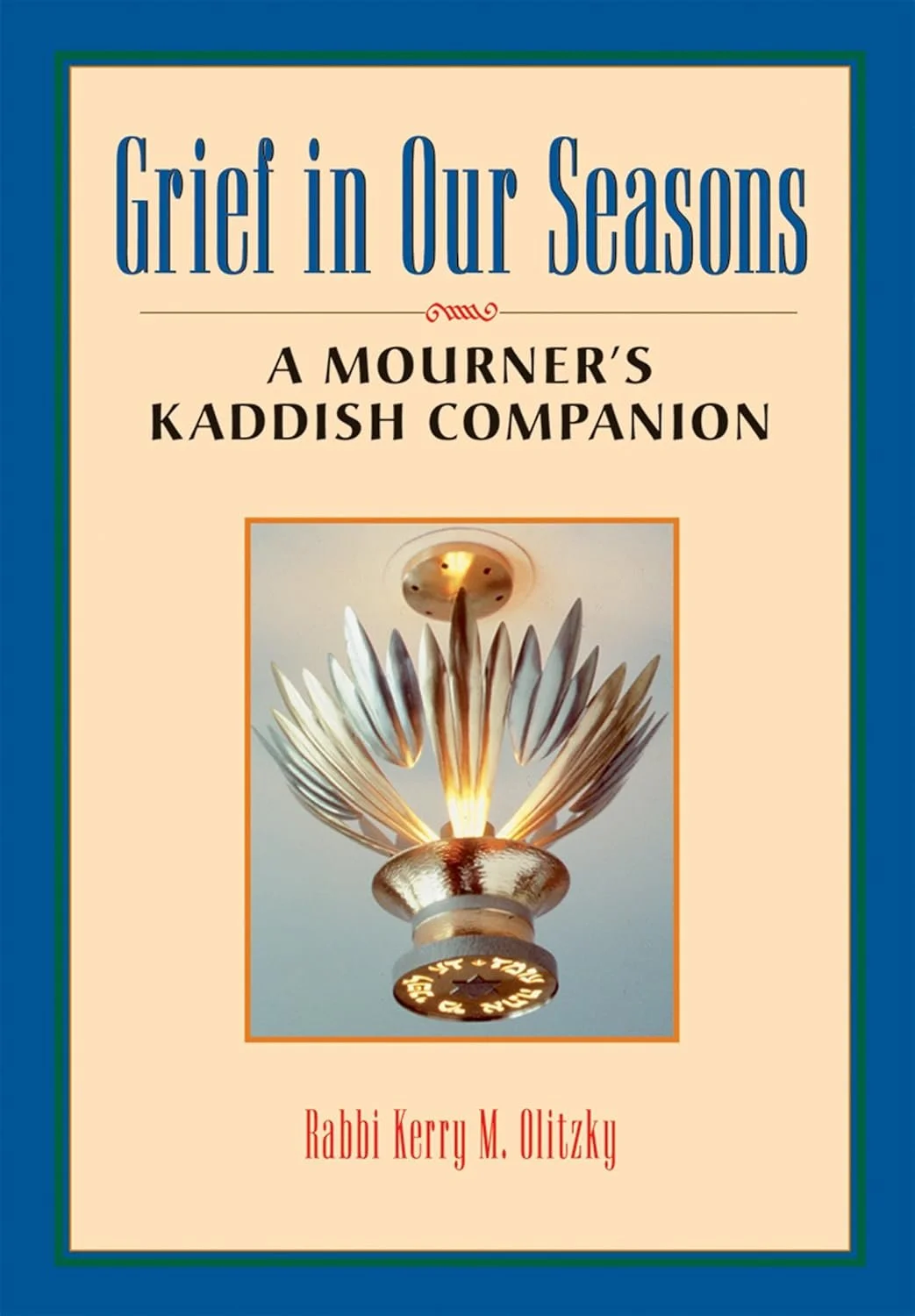
Most people were never taught how to grieve. But it's something you can learn now. Explore the books, guides, and stories that might help. These curated resources provide both insight and practical tools that can support you in your grief journey.
Library Resources for Grief
A curated collection of books and other media offering insight, understanding, and comfort for those moving through grief.

Blogs about Grief
Our blogs touching upon topics related to grief.


Connect to Get Personalized Suggestions for Support
We’re here to walk with you. Reach out today to explore which supports might be most helpful for your situation.