What Alzheimer’s and Dementia Caregivers Often Need Beyond Information
Caring for someone living with Alzheimer’s disease or another dementia can involve a tremendous amount of learning. Families may find themselves researching changes in communication, safety, daily routines, future care, financial considerations, and available community resources.
That information matters. But dementia caregiver support cannot always be reduced to knowing what to do next.

Caregiving also happens inside a relationship. A spouse, adult child, sibling, friend, or other loved one may be learning new responsibilities while adapting to changes in communication, routines, roles, and expectations. Sometimes, what a caregiver needs is not another article or checklist. They need somewhere to bring the human experience that comes with everything they are learning.
The responsibilities involved in caregiving can become substantial over time. Family roles may shift as partners, children, siblings, and friends take on caregiving or decision-making responsibilities, and many different emotions can exist alongside one another. Supporting caregivers therefore means making room for the person underneath the responsibilities, too.
Why Alzheimer’s and Dementia Caregivers May Experience Grief before a Death
One experience that can be difficult to recognize is anticipatory grief and dementia.
Grief does not necessarily begin after someone dies. During a progressive illness, it can emerge as people encounter changes in abilities, routines, plans, communication, relationships, and family roles.
A spouse may miss conversations that once came easily. An adult child may find themselves taking responsibility for decisions their parent previously handled. A family may have to reconsider plans they expected to share years from now.
These experiences do not mean that the person living with dementia has disappeared. Connection can remain meaningful even when the ways people communicate change. Recognizing anticipatory grief can give caregivers language for an experience that otherwise may be difficult to name.
Grief is personal and nonlinear. It does not need to be fixed or rushed. Caregivers may simply need opportunities to acknowledge what is changing while continuing to honor what remains.
Dementia Caregiver Support Also Means Help with Conversations and Planning
Information becomes most useful when families can translate it into conversations and choices that make sense for their circumstances.
That may mean identifying questions to bring to a physician. It might involve discussing who will help with different caregiving responsibilities, exploring community resources, or talking about a loved one’s preferences for the future.
Earlier conversations can be especially important with progressive cognitive illness because a person’s ability to communicate preferences may change over time.
It's important for caregivers and families to build their understanding of available resources, family discussions, planning, advocacy, and person-centered dementia support. A non-clinical support person can help a family organize questions, identify topics that need discussion, and prepare for conversations with the appropriate professionals. Planning is not about predicting every future circumstance. It can simply mean creating more opportunities for communication before decisions become more complicated.
Connection Can Matter as Much as Another Dementia Caregiver Resource List
Caregivers need reliable dementia caregiver resources. They may also need people.
National caregiving research suggests that caregivers are frequently balancing complex responsibilities with limited support. That's why caregiver community and support can play a key role. That might look like talking with another caregiver who understands why a seemingly ordinary day felt difficult. It might mean having a place to acknowledge frustration without having to defend the love underneath it. Sometimes it means receiving practical help that allows a caregiver to have time away from their responsibilities.
Center for the Heart’s Caregiver Support Circle is designed around this need for connection and shared experience. The organization also offers grief support and non-clinical end-of-life support for individuals and families navigating Alzheimer’s and related dementias. Caregiver emotional support does not have to wait until everything feels overwhelming. Community can be part of caregiving throughout the journey.
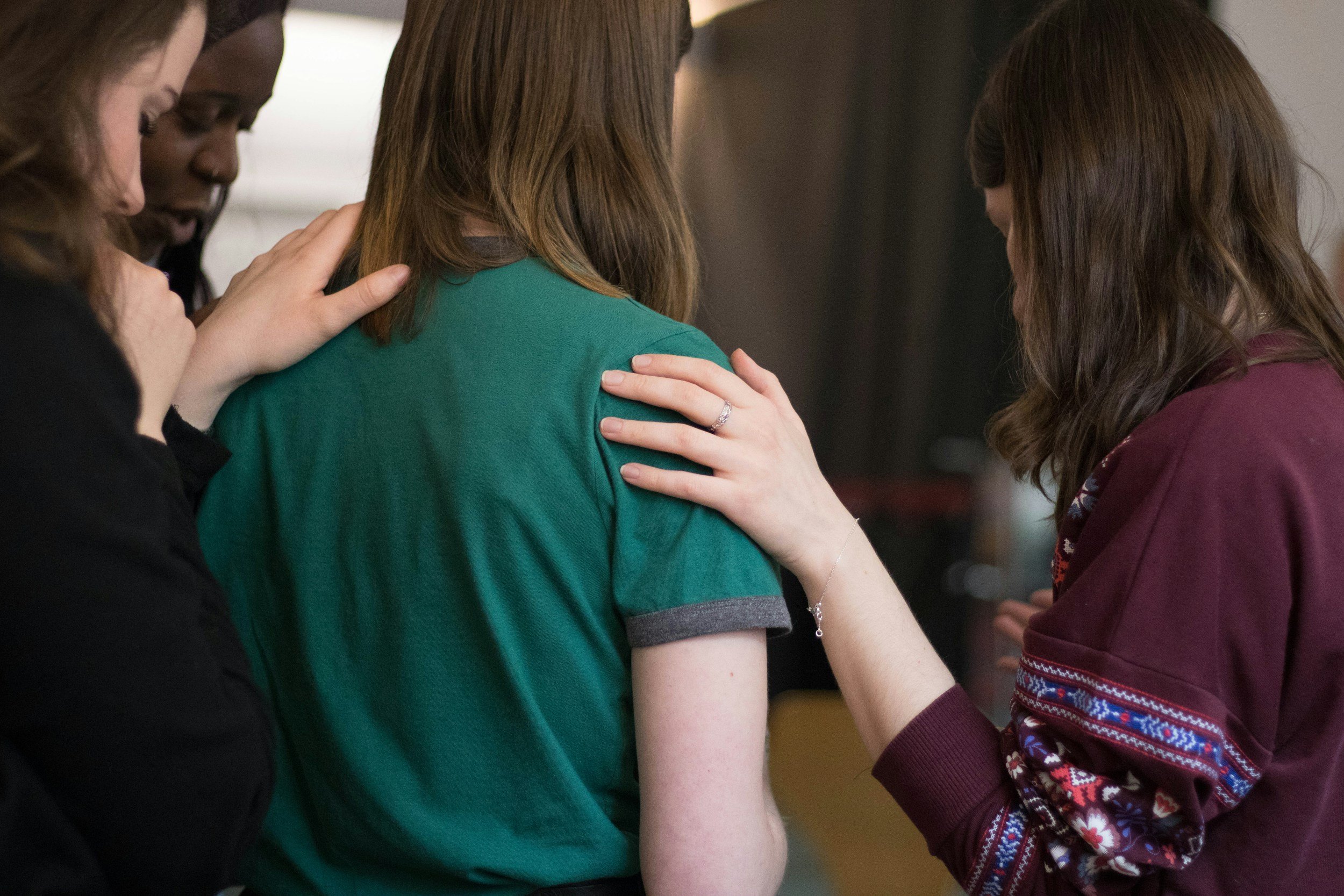
Dementia Caregiving Is a Community Experience, Not Only a Family Responsibility
Families often encounter many different systems while navigating dementia: physicians, hospitals, senior centers, community organizations, aging-life professionals, assisted-living communities, memory-focused organizations, faith communities, and others.
No single organization can meet every need.
That is why strong local relationships matter.
Community partnerships can create clearer pathways between clinical care, practical resources, education, and non-clinical support. For community organizations and local partners, this creates an opportunity to ask a useful question: What happens after we give a caregiver information?
Do they know where to bring the emotional questions?
Is there a place to talk about anticipatory grief?
Can they find caregiver community?
Do they know where to begin conversations about end-of-life preferences and planning?
And can they access support if cost is a barrier?
Sponsors and community partners can be part of that answer.
Information Helps. Human Support Matters, Too.
There is a great deal for Alzheimer’s and dementia caregivers to learn. Good information can help families understand cognitive changes, communicate more effectively, prepare questions, locate resources, and make informed decisions.
But caregiving is not an information problem alone.
It is a human experience involving relationships, changing responsibilities, uncertainty, grief, love, practical demands, and decisions that may unfold over years.
Caregivers can benefit from information and connection. Education and emotional support. Planning and compassionate presence.
If you are caring for someone living with Alzheimer’s or another dementia, explore Center for the Heart’s caregiver, grief, and end-of-life support pathways. If you represent a local organization, business, foundation, or community partner, consider partnering with Center for the Heart to help make caregiver education and compassionate support more accessible in the communities you serve.
FAQs
What support do dementia caregivers need?
Needs vary by person and family. Along with reliable information, caregivers may benefit from practical assistance, opportunities for respite, emotional and grief support, family communication, planning resources, and connection with other caregivers.
What is anticipatory grief in dementia caregiving?
Anticipatory grief describes grief that can occur before a death as relationships, abilities, routines, roles, or expectations change. It is personal and may look different for every caregiver. Grief can accompany significant changes and losses before death. Experiencing grief does not diminish the continuing relationship or personhood of someone living with dementia.
What is non-clinical dementia caregiver support?
Non-clinical support can include education, planning support, compassionate presence, caregiver community, grief support, legacy work, and help preparing for family conversations. It complements rather than replaces medical, legal, mental health, hospice, or other clinical care.
How can community organizations support dementia caregivers?
Organizations can help caregivers find trustworthy education and clear referral pathways, host caregiver-focused programming, build partnerships with support organizations, or sponsor access to appropriate community support.