

Caregiver Support
Caring for someone else shouldn't mean losing yourself.
Whether you're supporting a loved one with Alzheimer's disease, helping someone through serious illness, navigating end-of-life decisions, or adjusting after a diagnosis, caregiving can change nearly every part of life. You don't have to navigate it alone.
Center for the Heart provides compassionate, non-clinical support, education, and community for caregivers at every stage of the journey—from the first difficult conversations through grief after loss.
Caregiving is far more than helping someone with daily tasks.
It often means balancing practical responsibilities with difficult decisions, changing family roles, emotional stress, and ongoing uncertainty—all while continuing to care for your own work, other loved ones, and well-being.
Many caregivers don't identify themselves as caregivers until they are already overwhelmed.
What is caregiving?
Caregiving may involve supporting:
an aging parent
a spouse or partner
a family member living with Alzheimer's disease or related dementia
someone with a serious or terminal illness
an adult child
a friend or neighbor
Caregiving affects every part of life.
Many caregivers experience:
chronic stress and emotional exhaustion
changing family dynamics
feelings of isolation
anticipatory grief
uncertainty about difficult decisions
guilt when caring for themselves
balancing caregiving with work and parenting
Research estimates that more than 53 million Americans provide unpaid care for a family member or friend (AARP & National Alliance for Caregiving, 2020, Caregiving in the United States 2020).
Nearly one in four caregivers report their own health has declined as a result of caregiving (AARP & National Alliance for Caregiving, 2020, Caregiving in the United States 2020).
Caregiving Changes More Than Your Schedule

Caregiving and Grief Often Begin Long before Death
Many people think grief starts after someone dies.
For caregivers, grief often begins much earlier.
You may grieve:
the person you were before caregiving
the person they once were
changing roles within your family
future plans that may never happen
independence—both theirs and yours
the gradual changes brought by illness or dementia
This is known as anticipatory grief, and it is a natural response to ongoing loss.
Caregiving through Alzheimer's and Dementia
Supporting someone living with Alzheimer's disease or another dementia brings unique challenges.
Unlike many illnesses, dementia often involves years of gradual change, meaning caregivers experience repeated moments of adjustment and loss over time.
Families frequently navigate:
changing communication
increasing care needs
shifting family roles
decision-making as cognition changes
prolonged anticipatory grief
Our team has particular expertise supporting individuals and families navigating Alzheimer's disease and dementia.
There Is No Single Kind of Caregiver Support
Different stages of caregiving call for different kinds of support.
Sometimes you need information.
Sometimes you need community.
Sometimes you simply need someone to help carry the emotional weight.
At Center for the Heart, our support pathways include:
Community Support
Connect with other caregivers who understand what you're experiencing through our free online Caregiver Circle Support Group meetings.
Grief Support
Whether you're experiencing anticipatory grief or grieving after a death, our grief support programs help you process your specific loss and your relationship to loss as a whole.
One-to-One Guidance
Work with an end-of-life doula to navigate planning, communication, decisions and self-care during caregiving.
Supporting Children
When children are affected by caregiving, they often need support too.
Learn how to help children navigate grief in healthy, age-appropriate ways.
You Don't Have to Know What You Need Yet
Many caregivers don't start by searching for a support group or an end-of-life doula.
More often, they begin with a feeling that something has changed—that life has become heavier, decisions feel more complicated, or they're carrying more than they expected.
You may not know exactly what kind of support you're looking for. That's okay.
Whether you need practical guidance, emotional support, trusted information, or simply a place to begin, our goal is to meet you where you are and help you find the support that's right for your situation.
Caregiving is rarely a straight path. Your needs may change over time, and the support that helps today may look different six months from now. We'll help you navigate those changes, one step at a time.
Many caregivers spend so much energy caring for others that they forget to care for themselves.
Research has shown that caregivers experience higher rates of stress, anxiety, depression, sleep disturbance, and chronic health conditions than non-caregivers (National Academies of Sciences, Engineering, and Medicine, 2016, Families Caring for an Aging America).
Taking care of yourself isn't taking away from the person you love.
It's part of being able to continue caring well.
Caregiving for Yourself Isn't Selfish


Caregiver Myths
Many caregivers quietly carry expectations that make an already difficult role even harder.
Some of the most common include:
I should be able to do this by myself.
Asking for help means I'm failing.
I have to stay strong all the time.
My needs should come last.
If I take a break, I'm letting them down.
Support doesn't remove your responsibility.
It helps you carry it.
Learn More — Get Insight
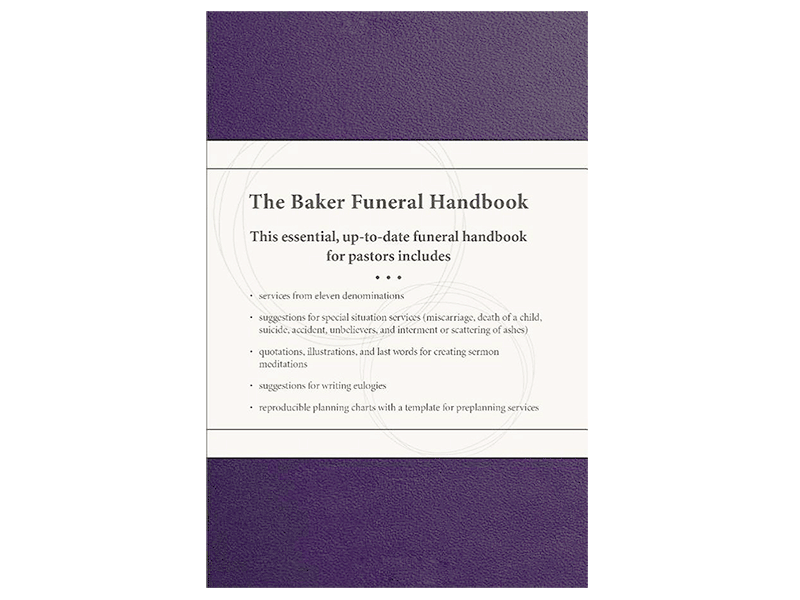
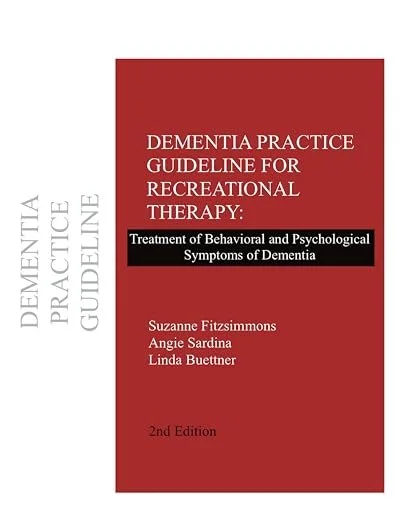
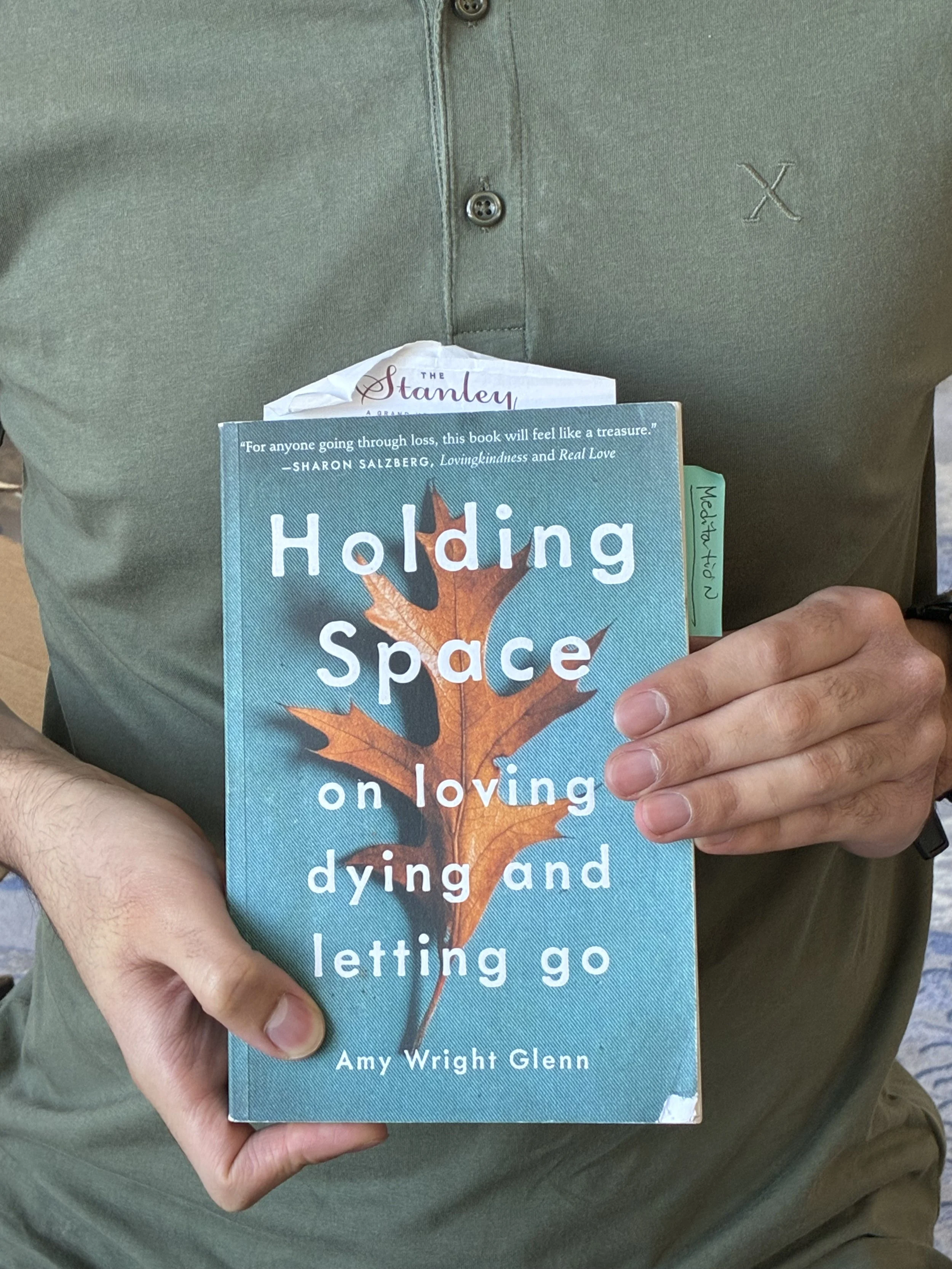
Explore the books, guides, and stories that may help you along your caregiving journey. These curated resources provide both insight and practical tools that may feel supportive.
Library Resources for Caregiving
A curated collection of books and other media offering insight, understanding, and comfort for caregivers.


Blogs about Caregiving
Our blogs touching upon topics related to caregiving.


FAQs
When should someone seek caregiver support?
1
As early as possible. Caregiver support isn't only for moments of crisis. Many caregivers benefit from education, planning, and community long before they feel overwhelmed.
I don't feel overwhelmed yet. Is support still helpful?
2
Yes. Building knowledge, support, and community early can make future transitions easier to navigate.
Do I have to be caring for someone at the end of life?
3
No. We support caregivers across many stages of illness, aging, and life transitions, including Alzheimer's disease, dementia, and other situations where caregiving brings emotional, practical, or relational challenges.
You deserve support, too.
Whether you're looking for practical guidance, emotional support, or simply a place where others understand what caregiving is really like, we're here to walk alongside you.
Explore Caregiver Support Pathways