Creative Ways to Preserve Your Story and What Matters Most
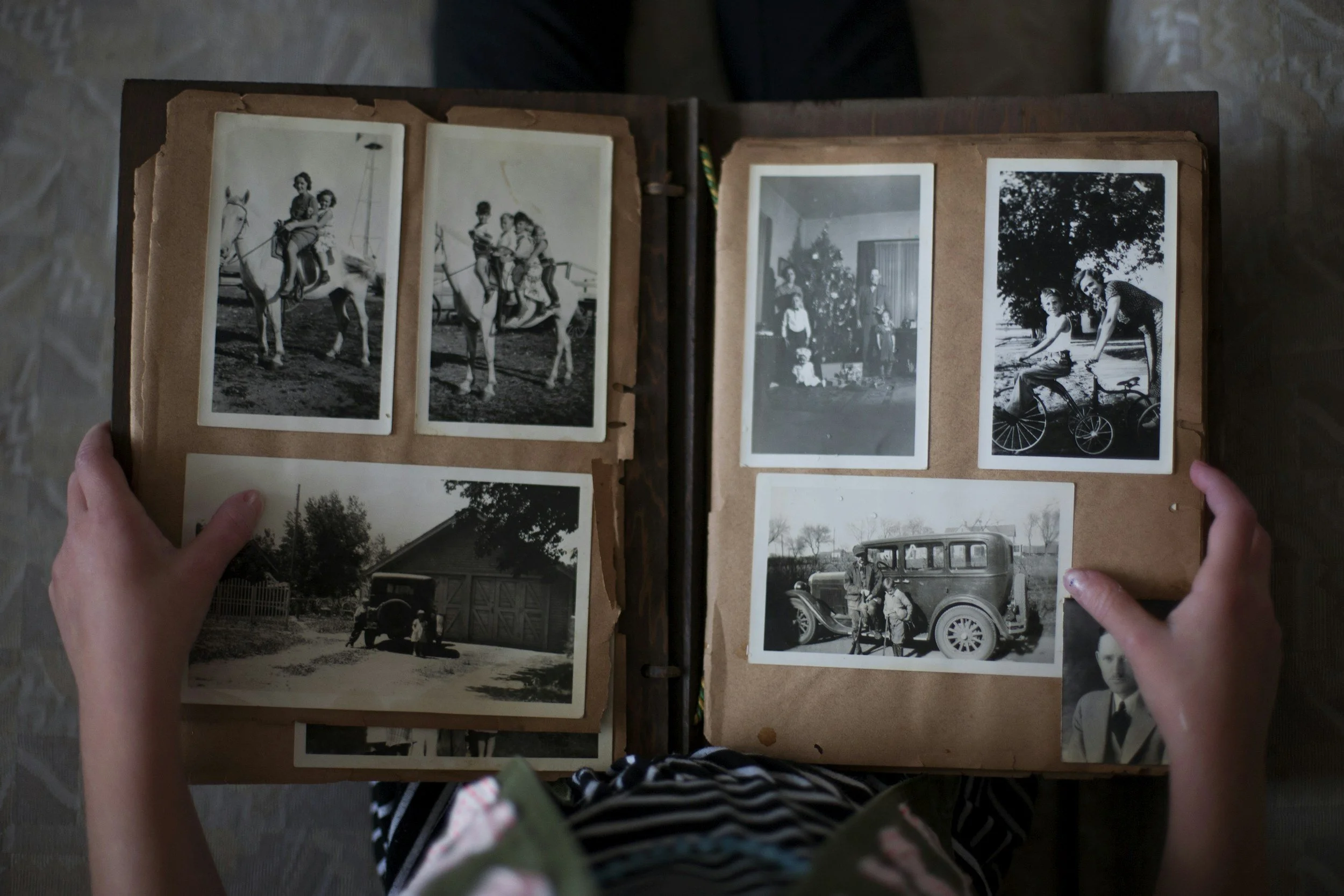
Think about someone who has shaped your life. What do you remember most about them?
Maybe it's a recipe they always made, a story they told over and over, their handwriting in a birthday card, or a piece of advice that still guides you today. Often, the things we carry with us aren't things at all. They're memories, values, traditions, and the small details that make someone who they are.
A legacy project is one way to capture and share those meaningful parts of a life. While legacy projects are often associated with aging or end-of-life planning, they can begin at any age, take countless forms, and evolve throughout a lifetime.
What Is a Legacy Project?
A legacy project is an intentional way of preserving, expressing, or sharing something meaningful about your life, experiences, relationships, or values.
It might be a collection of family photographs, a handwritten letter, a recorded conversation, a memoir, a piece of artwork, or even a garden planted for future generations.
Some legacy projects are created to be shared with loved ones. Others are meant for a community, a particular cause, or simply for personal reflection. Unlike financial or material inheritance, a personal legacy often focuses on the less tangible things we pass along: our stories, beliefs, lessons, traditions, and the ways we've connected with others.
Legacy work can also include an ethical will, sometimes called a legacy letter. Unlike a legal will, which addresses the distribution of assets, an ethical will shares personal values, hopes, life lessons, and messages for loved ones.
When Should You Begin Creating a Legacy Project
Your legacy isn't something that suddenly begins at the end of your life. It's something you're building, shaping, and sharing all along.
A person in their twenties might begin recording conversations with their grandparents. Someone in their forties might collect family recipes and stories. A retiree might write about lessons learned over decades, while someone facing a serious illness may want to create messages for loved ones.
All of these are forms of legacy work.
You can create more than one legacy project. And none of them has to be permanent or finished.
A scrapbook started in young adulthood might grow into a family history book decades later. A collection of letters might be updated as relationships change. A personal documentary could become the first in a series of recordings.
You might also create entirely different projects at different points in your life, each reflecting who you are at that moment.
Legacy projects can be living works. They can be revised, expanded, shared, put aside, or reimagined whenever you choose.
They also don't have to focus on the past. You can use them to explore what matters to you today, what you hope to experience next, and what you want to contribute to the people and communities around you.
Creative Legacy Project Ideas
There's more than one way to tell your story! A legacy project can be as simple as a notebook or as elaborate as a professionally produced film. The possibilities are nearly endless.
Here are some ideas to inspire your own.
Preserve Your Stories and Memories
Write a memoir or personal history. Capture important experiences, turning points, lessons, and memories.
Create a family recipe book. Include favorite dishes, handwritten recipes, photographs, and the stories behind them.
Record an oral history. Interview relatives or share your own stories through audio recordings.
Make a photo album or coffee-table book. Bring together meaningful images, captions, and reflections.
Create a memory map. Document the places that shaped your life, from childhood homes to favorite travel destinations.
Share Your Voice, Values, and Wisdom
Write letters to loved ones. Share encouragement, memories, gratitude, or hopes for the future.
Create an ethical will. Put your values, beliefs, life lessons, and wishes into words.
Record a collection of stories. Tell family stories, childhood memories, or favorite jokes in your own voice.
Make a personal podcast. Explore experiences, ideas, or conversations that matter to you.
Create a collection of life lessons. Share what you've learned about love, friendship, work, resilience, or happiness.
Express Yourself through Art and Creativity
Produce a documentary or short film. Tell your story through interviews, home videos, photographs, and music.
Create a quilt or textile piece. Use meaningful clothing, fabrics, or patterns to tell a story.
Write or record an original song. Express something important through music.
Make a piece of visual art. Create a painting, sculpture, collage, or other work that reflects your experiences.
Build a digital time capsule. Combine photographs, recordings, messages, and memories in one place.
Create Something That Continues to Grow
Plant a garden or tree. Create a living space that can be enjoyed and cared for over time.
Start a family tradition. Establish an annual gathering, shared activity, or ritual that brings people together.
Pass down a skill. Record yourself teaching a craft, recipe, pieces of language or cultural heritage you want to preserve, or practical skill.
Create a community project. Support a cause, establish a scholarship, or organize something meaningful for others.
Build a collaborative family archive. Invite relatives to contribute stories, photographs, and memories across generations.
Not every legacy project needs to be beautiful, polished, or even shared publicly during your lifetime. A shoebox of letters, a collection of voice notes, or a handwritten journal can carry enormous personal meaning.
Sometimes, the experience of creating the project together becomes just as meaningful as the finished piece.
Who Can Help You Create a Legacy Project?
You don't need professional help to create a legacy project. Many people find meaning in working independently, especially when reflecting on personal memories or writing private messages.
Others enjoy making legacy work a shared experience.
Family members and friends can help collect photographs, ask questions, record stories, or contribute their own memories. Working together can open conversations that might not otherwise happen.
For people who want to explore something more elaborate, there are many professionals who can help bring an idea to life.
Depending on your vision, you might work with:
Photographers and photo restoration specialists to capture new memories or preserve older images.
Oral historians and genealogists to research family histories and record firsthand accounts.
Musicians, composers, and audio producers to create songs, recordings, or audio stories.
Garden designers or horticulturists to create living legacies through meaningful outdoor spaces.
Artists, quilters, woodworkers, and other craftspeople to turn meaningful materials or ideas into keepsakes.
Book designers, editors, and publishers to create a professionally printed memoir, cookbook, or family history.
Filmmakers, videographers, and documentary producers to preserve stories on film.
Digital designers and archivists to organize and preserve photographs, videos, and recordings.
Writers, memoir coaches, or ghostwriters to shape personal stories into a book.
An end-of-life doula can also be a valuable partner in legacy work, particularly for someone navigating aging, serious illness, or end-of-life planning.
End-of-life doulas offer non-clinical support and may help individuals reflect on their lives, identify what they want to share, explore legacy project ideas, and facilitate meaningful conversations with loved ones.
Some doulas specialize in legacy work, while others may help connect individuals with creative professionals who can bring a project to life.
How to Start a Legacy Project
One of the most common barriers to starting a legacy project is feeling that you need to know exactly what you're creating.
You don't.
You can begin with a single memory, photograph, question, or idea and see where it takes you.
1. Start with what matters to you.
Think about the stories, people, experiences, or values you want to remember or share.
You might ask yourself:
What stories do I find myself telling again and again?
What do I wish I knew about the people who came before me?
What experiences have shaped who I am?
What would I like future generations to understand about my life?
What parts of my story or my passions haven't I had the opportunity to share?
2. Collect ideas without committing to a finished project.
Start a notebook, digital folder, voice memo collection, or box of keepsakes.
Add things whenever inspiration strikes. You might collect ideas for years before deciding what to create.
3. Choose a format that feels natural.
If you love writing, start with a journal. If you're more comfortable speaking, record your voice. If you're drawn to art, explore something visual or hands-on.
Your project should reflect you, not someone else's expectations.
4. Invite others into the process if you wish.
You might ask family members to contribute memories, work with a friend, or seek guidance from an end-of-life doula or creative specialist.
5. Give yourself permission to change your mind.
You may discover new stories, change your perspective, or decide that an entirely different project feels more meaningful.
You can revise what you've created, start something new, or leave a project unfinished.
If you're creating something digital, consider how it will be stored, backed up, and accessed in the future. For physical projects, think about where they will be kept and who, if anyone, you would like to receive them.
Legacy Projects as Part of Meaningful End-of-Life Planning
Although legacy projects can begin at any age, they may take on particular meaning when someone is approaching the end of life.
For some people, reflecting on their experiences and sharing memories can offer an opportunity to connect with loved ones, express important feelings, or explore what matters most.
Research on dignity therapy, a structured form of life review used with some people facing life-limiting illness, has explored how opportunities to reflect on meaningful experiences and create a legacy document may support a person's sense of dignity and meaning (Chochinov et al., 2005).
However, legacy work is deeply personal. It may bring comfort, sadness, joy, or a mixture of emotions. Not everyone wants to participate, and no one should feel pressured to create something.
Legacy projects can complement practical end-of-life planning, which may include documenting care preferences, making arrangements, and having conversations about personal wishes.
While practical planning helps communicate what you want to happen, legacy work can offer space to explore who you are, what you've experienced, and what you want others to know.
For help creating a legacy project, get schedule a free end-of-life doula consultation.
Frequently Asked Questions About Legacy Projects
What is the purpose of a legacy project?
A legacy project helps someone preserve, express, or share meaningful memories, experiences, values, or traditions. It may be created for loved ones, future generations, a community, or personal reflection.
Do you have to be nearing the end of life to create a legacy project?
No. Legacy projects can begin at any age. Many people start collecting stories, photographs, or ideas in young adulthood and continue adding to them throughout their lives.
Can I create more than one legacy project?
Absolutely. You can create multiple projects at different stages of life, revise existing ones, or explore entirely new ideas whenever you choose.
What is the difference between a legacy project and an ethical will?
An ethical will is one type of legacy project focused on sharing personal values, beliefs, lessons, and hopes. Legacy projects are a broader category that can include books, films, recordings, artwork, traditions, and many other formats.
Can an end-of-life doula help with a legacy project?
Yes. Some end-of-life doulas support legacy work by facilitating reflection, helping organize ideas, encouraging meaningful conversations, or connecting individuals with creative professionals.
References
Chochinov, H. M., Hack, T., Hassard, T., Kristjanson, L. J., McClement, S., & Harlos, M. (2005). Dignity therapy: A novel psychotherapeutic intervention for patients near the end of life. Journal of Clinical Oncology, 23(24), 5520–5525.